

STREAMING aims to apply the results of basic research to solve problems within the completely African food trade system by strengthening the network among all food system actors. This includes industry, trade systems, farming and entrepreneurs. With this core approach, STREAMING aims to achieve an overall improvement of the African food trade system towards more resilience against external factors such as climate change or conflicts, which addresses SDG2 (zero hunger), SDG3 (good health and wellbeing), SDG12 (responsible consumption and production) and SDG 13 (climate action).. Present circumstances such as the Russian-Ukraine war has shown the fragility of existing food systems.
Moreover, one third of total greenhouse gas emissions is caused by our current diet, which is an alarming number and needs to be addressed. Additionally, malnutrition is one key problem in African countries, often originating in the usage of plants with low nutritional value, especially in proteins. Hence, introducing plants with a high protein content can be one partial solution to overcome malnutrition. However, plant proteins are still less favorable because of their lower bioavailability as well as their incomplete amino acid profile compared to animal proteins.
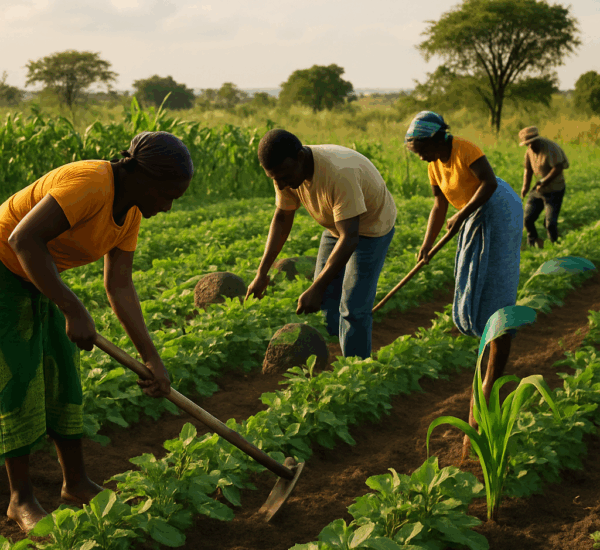
Moreover, since animal proteins make up to 16.5% of the green house gas emissions, alternative plant proteins can not only address malnutrition but also contribute to decrease GHG emissions in human diet. In the past years, intense research was done on alternative plant proteins for human consumption and with the right processing technologies and the combination of various plant proteins; a complete amino acid profile with high bioavailability can be achieved. For instance, the global consumption of microalgae (Spirulina) has become increasingly important given its richness in proteins (60%), vitamins, trace elements, essential amino acids, unsaturated fatty acids, etc.
The World Health Organization (WHO) has also confirmed the potential of this microalga in countries with a high rate of malnutrition, particularly in the pediatric population. Due to these same properties, spirulina can be interesting for athletes. Without forgetting the very positive impact of spirulina cultivation on the environment. Indeed, thanks to the process of photosynthesis, spirulina cultivation is a major producer of oxygen and does not emit any greenhouse gases. It consumes around 40 tons of CO2 per hectare per year. This is why STREAMING also has a high consideration for ecological sustainability, which is focusing on plant protein sources, improvement of farming methods (e.g., reduction of post-harvest loss, cultivating climate resilient crops).
Additionally, STREAMING wants to promote and support women in entrepreneurship with special grants as well as teaching and training opportunities. Research has already the answers for most of the existing challenges in the food trade system, since various projects are for instance working on alternative proteins, sustainable processing technologies etc. Nonetheless, achieving an impactful change in fair food trade and healthy and environmental-friendly food system still hinges on finding the right alignment between problems and potential solutions. Therefore, STREAMING has worked out a clear strategy to apply basic research results into practice for reaching a fair trade, healthy and environment-friendly food system. With the expertise and network of WU and HSWT, located in Europe’s hotspots for food trade system research – Wageningen and Weihenstephan, respectively – STREAMING will scout jointly with the African partners innovations, addressing challenges in the food trade systems (SDG17 partnership for the goals). Consequently, STREAMING will support farmers and companies as well as African and European startups and entrepreneurs with access to relevant knowledge (e.g. assessment tools for sustainability), coaching, infrastructure and financing being the main hurdles for a successful market entry market (SDG8 Decent work and economic growth).
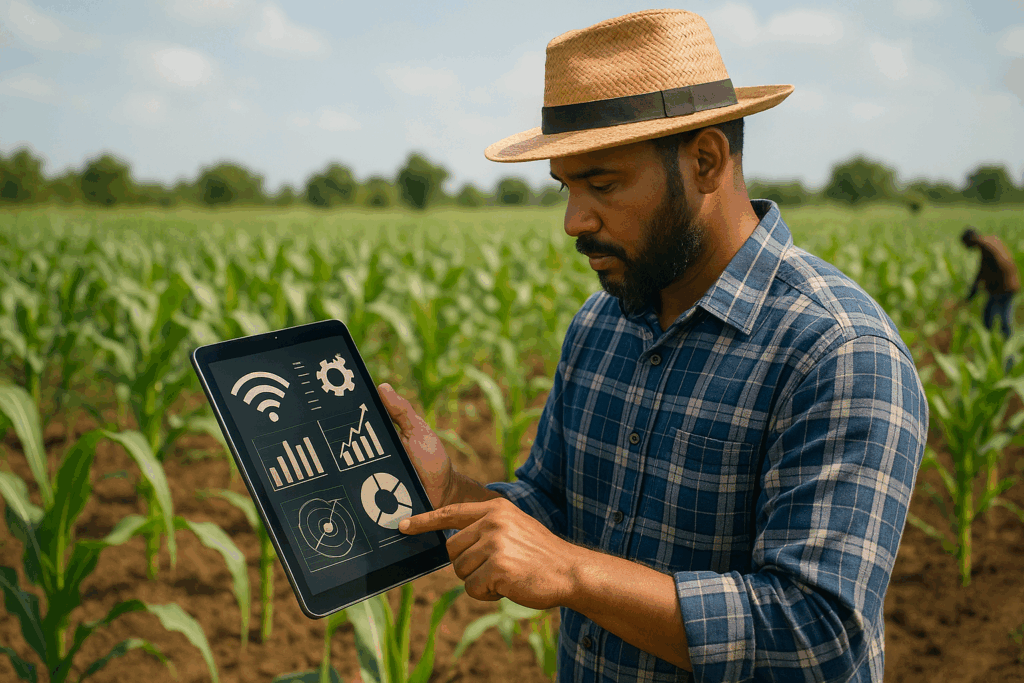
STREAMING articulates a comprehensive and ambitious approach aimed at enhancing trade relations between Europe and Africa through empirical research and policy analysis. The primary objective involves a rigorous examination of NTMs, employing a methodological framework that integrates data extraction from existing databases, comprehensive literature reviews, and expert consultations. This approach aims to construct a detailed taxonomy of NTMs, elucidating their characteristics, mechanisms of action, and potential impacts on trade flows. By adopting a systematic and empirical methodology, this research endeavor aspires to uncover the nuanced barriers that go beyond traditional tariffs, thus providing a granular understanding of the impediments to intraAfrican and EU-AU trade.
STREAMING places a significant emphasis on the engagement of diverse stakeholders, including trade officials, industry representatives, and academic experts. Through a series of consultations and workshops, the project seeks to validate the empirical findings and align the research outcomes with the practical needs of the trade community. This participatory approach not only enhances the validity of the research but also ensures the relevance and applicability of the findings, fostering a collaborative platform for knowledge exchange and consensus building. The “Analysis, Modelling, and Policy Recommendations on Non-Tariff Measures in Intra-African and EU-AU Trade” component of the STREAMING project stands as a hallmark of ambitious research, pushing the boundaries of what is currently known in the field of international trade. This segment is precisely engineered to deepen the comprehension and strategic oversight of non-tariff measures (NTMs), aiming to significantly influence trade facilitation between the European Union (EU) and the African Union (AU), and within Africa itself. It adopts a holistic approach, merging detailed mapping, sophisticated analytical modeling, and active policy formulation, all while engaging a wide array of stakeholders to address and surpass the confines of existing research and policy frameworks.
Central to its approach is the commitment to an exhaustive and systematic exploration of NTMs, setting this effort apart through its extensive investigative scope. Moving beyond the limitations of previous studies, this initiative integrates data from diverse sources, including international databases, national regulations, and stakeholder consultations. The aim is to construct a comprehensive picture of NTMs, shedding light on their origins, characteristics, and impacts on trade dynamics. This endeavor promises a level of detail and insight unprecedented in current literature, offering a finer understanding of the complexities of NTMs.